

The hype vs the hesitation
Everywhere you look online, there’s someone either praising self-driving cars as the savior of the future or roasting them as death traps on wheels. Twitter memes about “Tesla trying to drive into the sun” have their own cult following. On the flip side, you’ve got YouTube tech bros making slick videos about how AI-powered cars will reduce accidents by 90% (like, calm down bro, we’re not even at 9% yet). Honestly, both sides have a point.
Why people are excited in the first place
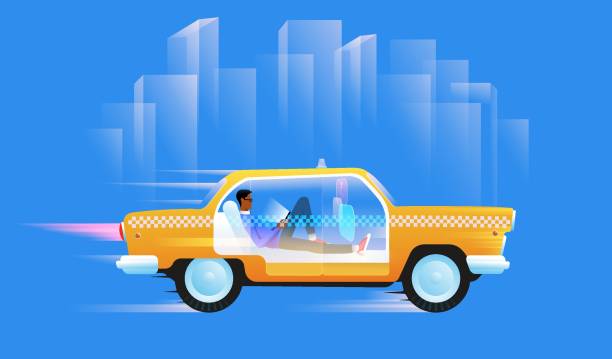
Let’s be real: nobody actually enjoys traffic. The dream of sitting in your car, watching Netflix while your ride dodges potholes and road rage drivers? That’s futuristic heaven. Add to that—driverless cars could help old people or disabled folks travel without depending on others. There’s also the big stat everyone keeps quoting: according to research, human error causes about 94% of accidents. So yeah, in theory, replacing us clumsy humans with an algorithm should cut that down.
But here’s the messy reality check
Thing is, algorithms aren’t saints either. They work off data, and data has biases. Ever seen those stories where AI failed to recognize people with darker skin properly? Imagine that applied to a crosswalk. Not great. Then you’ve got the good old “glitch” problem. If my phone app crashes, fine, I restart it. If my self-driving car glitches on the highway… well, maybe I become a trending hashtag.
The legal headache nobody talks about enough
Okay, let’s say a driverless car hits someone. Who’s at fault? The person sitting inside? The company who made the car? Or maybe the coder who wrote that one messy line of code after pulling an all-nighter? Lawmakers are still scratching their heads. In Germany, they’re already testing rules that say manufacturers might have to carry the blame, while in the US it’s still more of a gray zone. And you just know lawyers are waiting like sharks because this is lawsuit paradise.
Jobs are the elephant in the backseat
Truck drivers, taxi guys, delivery people—yeah, those jobs could take a big hit. There’s like 3.5 million truck drivers in the US alone. Imagine suddenly half of them aren’t needed anymore because “RoboTruck 3000” can deliver Walmart goods without taking smoke breaks. Tech optimists love saying “they’ll just reskill into coding!” but not everyone wants to spend their life debugging code or designing apps. My uncle drives trucks, and trust me, he’d rather eat broken glass than learn Python.
Social media reactions are brutal
Scroll through Reddit and you’ll see a weird mix: people flexing how they’d totally buy a self-driving Tesla tomorrow, and others saying “no way I trust a robot with my life.” TikTok even has clips of autopilot fails—like cars mistaking the moon for a yellow traffic light. It’s funny until you realize that mistake at 80km/h could mean a viral video and a hospital bill. People don’t forgive tech errors the way they forgive human ones. If a human driver messes up, we call it an accident. If AI messes up, we call it proof of failure.
The city planning twist nobody thinks about
Here’s a curveball: self-driving cars could totally change how cities are designed. If robo-taxis become normal, maybe fewer people buy personal cars. Parking lots could shrink. Roads might get smarter with sensors talking to vehicles. Sounds cool, but also expensive. Like, will governments in developing countries really spend billions upgrading roads when they still can’t fix basic potholes? I doubt it.
Environmental promises vs the sneaky truth
Everyone links autonomous cars with electric cars, which sound eco-friendly. But here’s the catch—self-driving tech actually eats up a lot of computing power. That means big servers, more electricity, more carbon. One MIT study even suggested that if every car in the US became driverless, the computing power needed could equal the emissions of Argentina. Kinda kills the “green future” vibe, right?
My weird analogy moment
Think of self-driving cars like that friend who promises to help you move houses but shows up late, drops your stuff, and then says “hey at least I tried.” The potential is amazing, but the execution right now feels… wobbly. And yet, we all keep hoping they’ll get it right because the dream is too good to let go.
So, are they smart future or rolling nightmares?
Honestly, probably both. For wealthy countries with shiny infrastructure, autonomous cars might become normal in 15–20 years. For the rest of the world, it might stay more like an expensive toy for rich tech guys. Until then, expect more Twitter memes, viral TikTok fails, and heated debates about whether we’re evolving or just setting ourselves up for the biggest traffic jam in history.
If you ask me, self-driving cars are like dating apps. Great idea on paper, works okay for some, but comes with way more disasters than the marketing promised. Would I get into one tomorrow? Only if there’s free WiFi and snacks, otherwise… I’ll stick to driving myself into traffic misery.